
Glowing skin sounds like a dream until you look in the mirror and notice dryness, dullness, or that one stubborn breakout that refuses to leave. Suddenly, every skincare product on the internet starts looking tempting.
But here’s the good news: naturally radiant skin doesn’t require a complicated 12-step routine or a bathroom shelf full of expensive products.
The secret often comes down to a few simple habits that support your skin’s natural moisture barrier, protect it from everyday damage, and keep it feeling healthy.
Whether you’re dealing with dry patches, uneven texture, or skin that looks tired after a long week, these five glowing skin tips can help you build a routine that actually makes sense.
And no, you don’t need to spend your entire paycheck on a moisturizer.
1. 
Let’s start with the basics: cleansing.
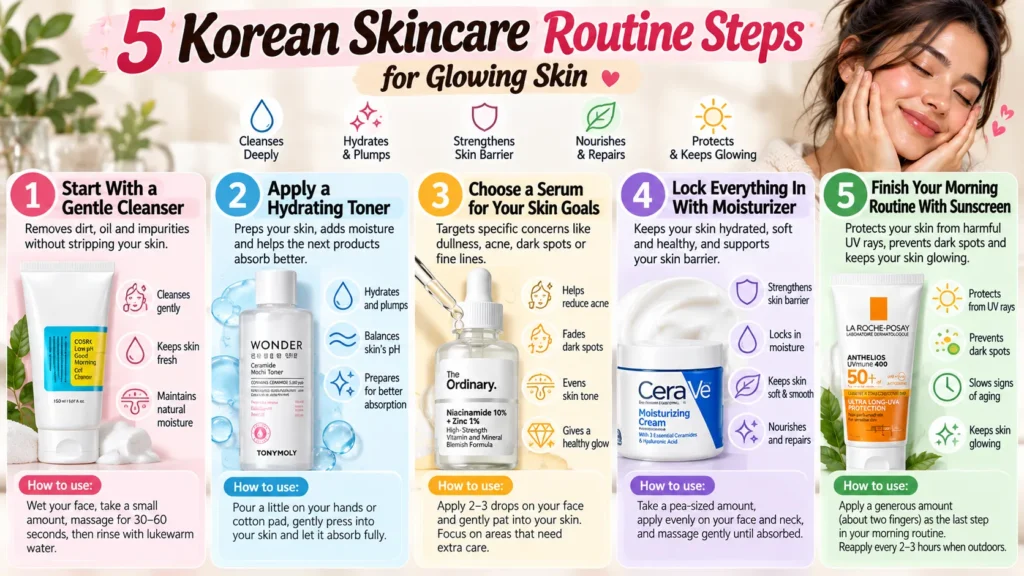
Your skin collects oil, sweat, sunscreen, makeup, and everyday dirt throughout the day. A gentle cleanser removes that buildup without stripping away the natural oils your skin needs.
Sounds simple, right? Yet harsh cleansing remains one of the easiest ways to make skin feel tight, dry, and uncomfortable.
The goal isn’t to make your face feel squeaky clean. Healthy skin should feel comfortable after washing, not tight or irritated.
Choose a Cleanser That Matches Your Skin Type

Different skin types need different formulas.
If you have dry skin, look for a creamy or hydrating cleanser that helps preserve moisture.
For oily skin, a gentle gel cleanser can remove excess oil without leaving your face feeling stripped.
If your skin feels sensitive, choose a fragrance-free cleanser with a short, straightforward ingredient list.
Here’s a quick guide:
- Dry skin: Creamy cleansers with glycerin or ceramides
- Oily skin: Gentle gel cleansers that remove excess oil
- Combination skin: Mild, non-stripping cleansers
- Sensitive skin: Fragrance-free formulas without harsh scrubs
- Acne-prone skin: Gentle cleansers that won’t clog pores
Remember, a cleanser doesn’t need to foam dramatically to work.
Sometimes the gentlest products deliver the most comfortable results.
How Often Should You Wash Your Face?
For many people, cleansing twice daily works well.
Wash your face in the evening to remove sunscreen, makeup, and daily buildup. In the morning, use a gentle cleanser if your skin needs it, or simply rinse with lukewarm water if your skin feels dry.
Avoid very hot water because it can increase dryness and irritation.
Use your fingertips to massage the cleanser gently across your face, then rinse thoroughly.
Pat your skin dry with a clean towel instead of rubbing.
Your face isn’t a kitchen counter. You don’t need to scrub it into submission.
2. Keep Your Skin Hydrated for a Natural Glow

If there’s one skincare habit that deserves more attention, it’s moisturizing.
Well-hydrated skin often looks smoother, softer, and more radiant because moisture helps the outer skin layer maintain a healthy appearance.
When your skin lacks moisture, fine lines and rough texture can become more noticeable.
That’s why hydration plays such an important role in achieving naturally glowing skin.
Look for Moisture-Loving Ingredients
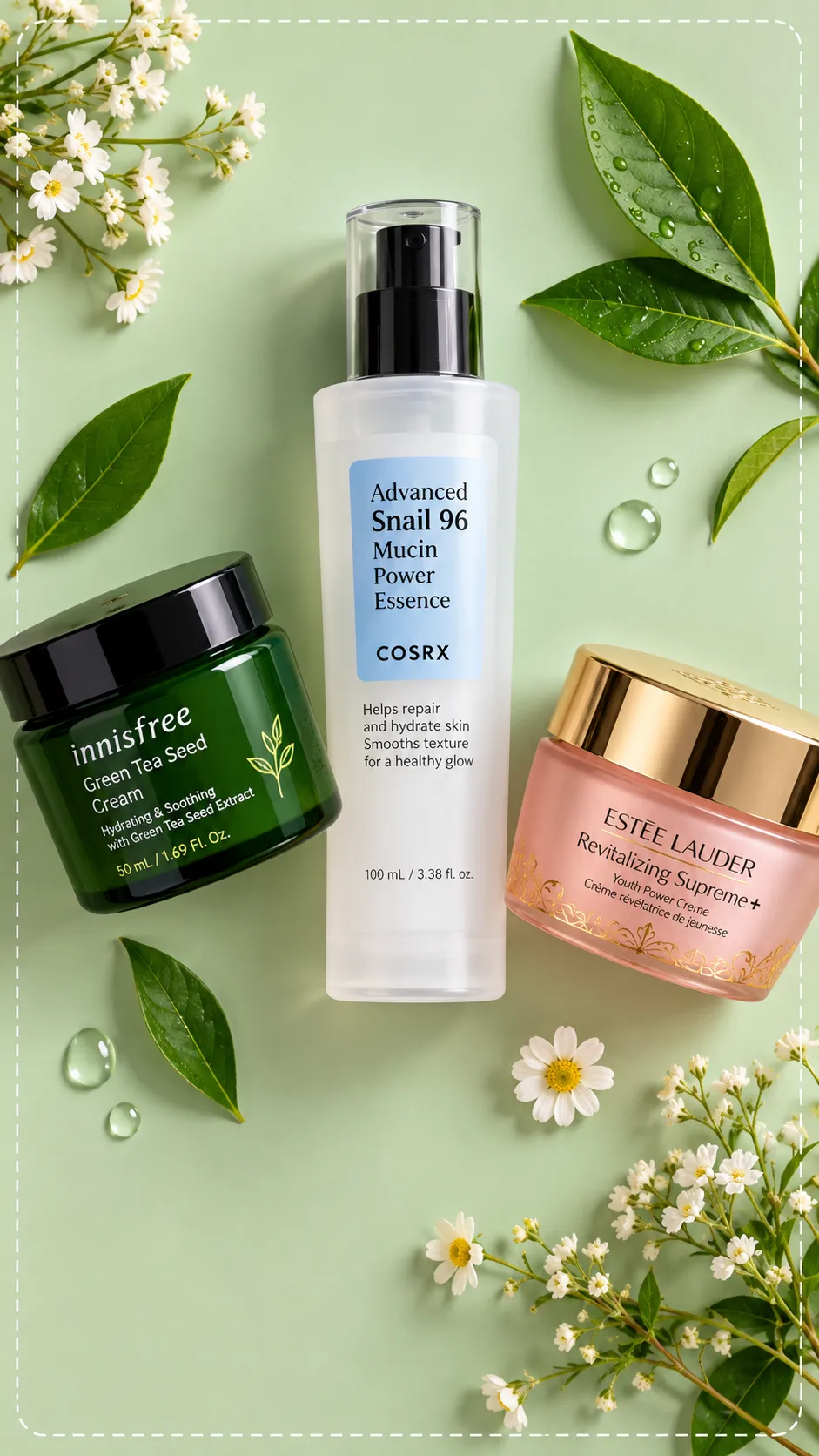
You don’t need the most expensive moisturizer on the shelf.
Instead, pay attention to ingredients that help your skin retain moisture.
Some useful options include:
- Hyaluronic acid: Helps attract and hold water in the skin
- Glycerin: Draws moisture into the outer skin layer
- Ceramides: Support your skin’s protective barrier
- Squalane: Helps soften skin and reduce moisture loss
- Petrolatum: Forms a protective layer that reduces water loss
A moisturizer that combines humectants, which attract water, with ingredients that help seal in moisture can work especially well for dry skin.
If your skin feels oily, choose a lightweight lotion or gel-cream rather than skipping moisturizer entirely.
Oily skin needs hydration too.
Apply Moisturizer at the Right Time
One of the easiest skincare tricks is applying moisturizer while your skin still feels slightly damp.
After cleansing, gently pat away excess water and apply your moisturizer before your face dries completely.
This helps reduce moisture loss and leaves skin feeling more comfortable.
During colder months, you might need a richer cream because dry indoor air and chilly weather can increase skin dryness.
In warmer weather, a lighter formula may feel better.
The best moisturizer is one your skin tolerates and you actually enjoy using.
Does Drinking Water Make Your Skin Glow?
Drinking enough water supports your overall health, and dehydration can affect how your skin looks and feels.
However, drinking extra water won’t automatically erase acne, wrinkles, or uneven pigmentation.
If you already drink enough fluids, forcing yourself to drink excessive amounts won’t magically transform your complexion.
Instead, maintain normal hydration and use a suitable moisturizer to support your skin directly.
Your water bottle matters, but it doesn’t need to become your entire skincare personality.
3. Wear Sunscreen Every Day to Protect Your Glow

Want to know one of the most important habits for maintaining healthy-looking skin?
Wear sunscreen.
Sun exposure contributes to premature skin aging, dark spots, uneven pigmentation, and skin cancer risk.
Even if you follow an excellent skincare routine, repeated unprotected sun exposure can undermine your efforts.
That’s why daily sun protection is one of the most valuable glowing skin tips.
Choose Broad-Spectrum SPF 30 or Higher
Look for a broad-spectrum sunscreen with SPF 30 or higher.
Broad-spectrum protection helps protect your skin against both UVA and UVB rays.
UVA rays contribute to skin aging, while UVB rays play a major role in sunburn. Both can damage your skin.
Choose a sunscreen that suits your skin type.
For oily skin, a lightweight fluid or gel formula may feel comfortable.
For dry skin, a moisturizing sunscreen can provide additional comfort.
If you have sensitive skin, consider a fragrance-free mineral sunscreen containing zinc oxide or titanium dioxide.
The most important thing is finding a formula you can use consistently.
How to Apply Sunscreen Correctly
Apply sunscreen to exposed skin before heading outdoors.
Don’t forget your neck, ears, and the backs of your hands.
Use enough product to achieve the protection stated on the label. Many adults need approximately two finger lengths of sunscreen for the face and neck, although the amount varies with the formula and finger size.
When you’re outdoors, reapply approximately every two hours and after swimming or heavy sweating, following the product directions.
Seek shade and wear protective clothing during strong sunlight.
And yes, UV rays can still reach your skin on cloudy days.
Your sunscreen doesn’t get to take the day off just because the sun decided to hide.
4. Exfoliate Carefully to Improve Dull Skin and Texture

Ever notice how your skin sometimes looks rough or lacks that fresh, smooth appearance?
Dead skin cells naturally accumulate on the outer surface as your skin renews itself.
Gentle exfoliation can help remove some of that buildup and improve the appearance of dullness and uneven texture.
But here’s where skincare enthusiasm can go slightly wrong.
More exfoliation doesn’t automatically mean better skin.
Overdoing it can cause redness, irritation, dryness, and damage to your skin barrier.
Physical vs. Chemical Exfoliation
There are two main approaches to exfoliation.
Physical exfoliation uses gentle friction to remove surface skin cells. Examples include soft washcloths and mild facial scrubs.
Chemical exfoliation uses ingredients such as alpha hydroxy acids (AHAs) or beta hydroxy acids (BHAs).
Common options include:
- Lactic acid: An AHA that helps improve rough texture and surface dullness
- Glycolic acid: An AHA that exfoliates the skin’s surface
- Salicylic acid: A BHA that can help clear clogged pores
- Mandelic acid: An AHA that some people find gentler than stronger exfoliating acids
Your skin type and tolerance should guide your choice.
If your skin feels sensitive, a mild product may suit you better than a strong exfoliating treatment.
How Often Should You Exfoliate?
Start slowly.
For many beginners, trying a gentle exfoliant once a week provides a reasonable starting point.
Watch how your skin responds before increasing frequency.
If you notice burning, persistent redness, peeling, or unusual sensitivity, stop exfoliating and let your skin recover.
Avoid combining multiple strong exfoliating products in the same routine unless a dermatologist recommends it.
Also, be especially careful if you use retinoids or acne treatments because these products can already cause dryness or irritation.
And please skip harsh scrubbing.
Your skin doesn’t need punishment to look radiant.
Can Exfoliation Help With Dark Spots?
Some exfoliating ingredients can gradually improve the appearance of uneven skin tone.
However, dark spots can develop for several reasons, including acne, sun exposure, and hormonal changes.
Exfoliation alone won’t solve every pigmentation concern.
Consistent sunscreen use plays a major role in preventing sun-related darkening.
If you experience persistent pigmentation, a dermatologist can help identify the cause and recommend appropriate treatment.
5. Build Healthy Daily Habits That Support Radiant Skin

Skincare products matter, but your everyday habits can also influence how your skin looks and feels.
Sleep, nutrition, stress, and consistent skincare all play a role in supporting overall skin health.
You don’t need a perfect lifestyle to have healthy skin.
Small, realistic changes often make more sense than an elaborate routine you’ll abandon after three days.
Get Enough Sleep
Your body uses sleep to support normal repair and recovery processes.
Poor sleep can make you feel tired and may contribute to a dull or fatigued appearance.
Most adults should aim for around seven to nine hours of sleep per night, although individual needs vary.
Try maintaining a regular sleep schedule and creating a relaxing bedtime routine.
And if you occasionally stay up late watching your favorite show, don’t panic.
One late night won’t permanently ruin your skin.
Eat a Balanced, Skin-Friendly Diet
No single food guarantees glowing skin.
However, a balanced diet provides nutrients your body needs to maintain healthy tissues, including skin.
Try including a variety of:
- Vitamin C sources: Oranges, strawberries, bell peppers, and kiwi
- Healthy fats: Avocados, nuts, seeds, and olive oil
- Protein: Eggs, fish, beans, lentils, and lean meats
- Colorful vegetables: Carrots, spinach, broccoli, and tomatoes
- Omega-3 sources: Fatty fish, walnuts, and flaxseeds
Vitamin C supports normal collagen formation, while protein provides building blocks for tissue maintenance.
Healthy fats also contribute to normal skin function.
You don’t need expensive powders or trendy detox drinks.
A varied diet offers a much more practical foundation.
Manage Stress Without Adding More Pressure
Stress can affect sleep and may worsen certain skin conditions in some people.
That’s why managing stress can become a useful part of your overall wellness routine.
Try simple habits such as walking, stretching, taking breaks from screens, or spending time doing something you enjoy.
You don’t need to meditate for an hour every morning.
Even a short walk or a few quiet minutes can help you reset.
The goal is progress, not perfection.
A Simple Daily Skincare Routine for Glowing Skin
Now that we’ve covered the five essential tips, how do you combine them into an actual routine?
Keep things simple.
You don’t need ten serums, three toners, and a skincare schedule that requires its own spreadsheet.
Morning Skincare Routine
- Cleanse gently: Wash your face or rinse with lukewarm water according to your skin’s needs.
- Apply moisturizer: Choose a formula that suits your skin type.
- Use sunscreen: Finish with broad-spectrum SPF 30 or higher.
That’s a solid starting point.
If you already tolerate a vitamin C serum or another treatment, you can include it before moisturizing, but you don’t need an extra serum to build a good routine.
Nighttime Skincare Routine
- Remove makeup and sunscreen: Use a gentle cleanser, adding a separate makeup remover when necessary.
- Cleanse thoroughly: Make sure your skin feels clean but comfortable.
- Apply treatment if needed: Use an appropriate exfoliant on selected nights, not automatically every night.
- Moisturize: Support your skin barrier before bedtime.
Keep your routine consistent for several weeks before deciding whether it helps.
Introduce new products one at a time so you can identify irritation more easily.
Common Mistakes That Can Make Skin Look Dull
Sometimes the problem isn’t what you’re missing from your routine.
It’s what you’re doing too often.
One common mistake involves using harsh cleansers that leave skin feeling stripped.
Another involves exfoliating too frequently in the hope of achieving faster results.
Skipping moisturizer can also leave skin feeling uncomfortable, especially during colder weather.
And forgetting sunscreen may contribute to uneven pigmentation over time.
Watch out for these habits:
- Washing your face with very hot water
- Scrubbing aggressively
- Trying several new active ingredients at once
- Ignoring persistent irritation
- Skipping daily sun protection
- Expecting overnight results
Good skincare usually rewards patience.
A consistent routine with a few suitable products often works better than constantly chasing the newest viral skincare trend.
How Long Does It Take to Get Naturally Glowing Skin?
This depends on your starting point and what you’re trying to improve.
If your skin simply feels dehydrated, a suitable moisturizer may improve its appearance and comfort relatively quickly.
Changes in rough texture or uneven pigmentation can take several weeks or longer.
Acne and stubborn dark spots may require targeted treatments and professional guidance.
Don’t judge every product after one or two uses.
At the same time, don’t continue using something that causes significant irritation just because someone online promised dramatic results.
Your skin’s comfort matters more than any trend.
And remember, healthy skin still has pores, texture, and occasional blemishes.
Natural radiance doesn’t mean looking like a beauty filter.
Final Thoughts on Glowing Skin Tips
Achieving naturally radiant skin doesn’t have to involve an expensive routine or an endless collection of products.
Start with the basics: gentle cleansing, consistent moisturizing, daily sunscreen, careful exfoliation, and healthy everyday habits.
Choose products that suit your skin type, introduce new ingredients gradually, and pay attention to how your skin responds.
Most importantly, give your routine time.
Healthy-looking skin comes from consistency, not from applying every trending serum you see on social media.
Your goal isn’t flawless, pore less skin. It’s skin that feels comfortable, looks healthy, and gets the care it needs.
And if your skincare routine takes less time than making your morning coffee? Even better.